How to Choose Roof Color to Increase Property Value
October 12, 2025
What Every Homeowner Should Know About Roof Flashing
December 12, 2025
Roof warranties can be confusing for homeowners. Many people assume a roof warranty covers everything, but in reality, there are different types of warranties with different coverage terms. Understanding the difference between manufacturer warranties and contractor warranties can help you avoid costly misunderstandings and protect your investment.
What Is a Roof Warranty?
A roof warranty is a written agreement that outlines what is covered if your roof fails prematurely. It typically covers defects in materials, workmanship issues, or both, depending on the type of warranty. Warranties vary widely in length, coverage scope, and limitations, so it’s important to read the details before signing a roofing contract.
Manufacturer Roof Warranties Explained
Manufacturer warranties cover defects in roofing materials, such as shingles, membranes, or tiles. These warranties are provided by the company that makes the roofing products and are often advertised as lasting 20, 30, or even 50 years.
However, manufacturer warranties usually only cover the cost of defective materials—not labor or installation errors. If shingles fail due to a manufacturing defect, the manufacturer may provide replacement materials, but homeowners may still need to pay for labor and disposal unless they have an enhanced warranty.
Some manufacturers offer extended or “system” warranties when certified contractors install their products and follow specific installation guidelines. These enhanced warranties may cover both materials and some labor costs, but they often require strict compliance and registration.
Contractor (Workmanship) Warranties Explained
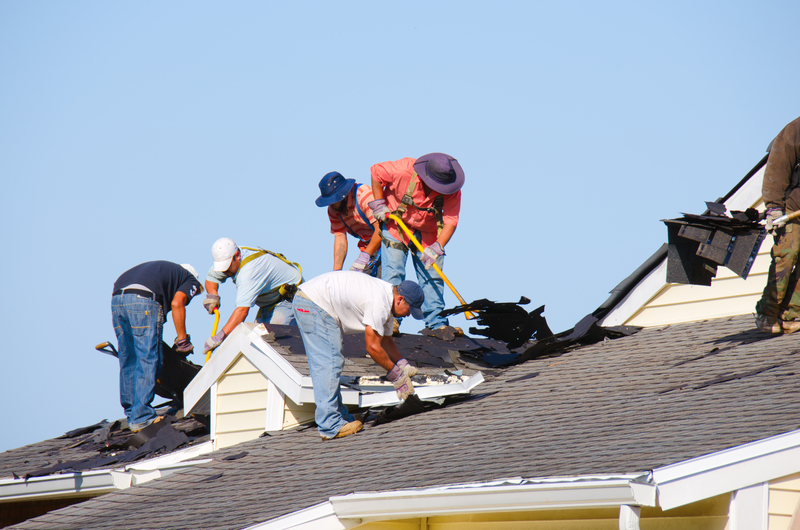
Contractor warranties, also called workmanship warranties, are provided by the roofing company that installs your roof. These warranties cover installation errors, such as improper flashing, poor shingle placement, or incorrect sealing.
Workmanship warranties vary significantly by contractor. Some offer one-year coverage, while reputable companies may provide 10-year, 20-year, or even lifetime workmanship warranties. Unlike manufacturer warranties, contractor warranties depend on the roofing company’s stability and reputation, so choosing a reliable contractor is crucial.
Key Differences Between Manufacturer and Contractor Warranties
Manufacturer warranties focus on the materials, while contractor warranties focus on the quality of installation. A roof can fail due to defective materials, improper installation, or a combination of both. Having both types of warranties ensures broader protection.
Manufacturer warranties often have strict conditions, such as proper attic ventilation, approved installation methods, and regular maintenance. Contractor warranties typically require proof of installation and maintenance but are usually less restrictive.
What Roof Warranties Usually Do NOT Cover
Most roof warranties do not cover damage from severe weather, natural disasters, improper maintenance, foot traffic, or modifications made after installation. Issues like leaks caused by clogged gutters, fallen branches, or structural movement are also commonly excluded.
It is important to understand these exclusions to avoid false expectations.
How to Keep Your Roof Warranty Valid
Homeowners must follow specific requirements to keep warranties valid. This often includes proper attic ventilation, regular roof inspections, prompt repairs, and keeping documentation such as invoices and warranty registrations. Failing to meet these conditions can void the warranty.
Should You Get an Extended Roof Warranty?
Extended warranties can provide peace of mind, especially for homeowners planning to stay in their homes long-term. However, they often come at an additional cost and require certified installation. Evaluating the cost versus the potential benefit is important before deciding.
Conclusion
Roof warranties are not all the same, and understanding the difference between manufacturer and contractor warranties is essential. Manufacturer warranties protect against material defects, while contractor warranties cover installation errors. Knowing what is covered, what is excluded, and how to maintain warranty validity can help homeowners avoid unexpected expenses and make informed decisions when replacing or installing a roof.