How Roof Warranties Actually Work (Manufacturer vs Contractor)
November 12, 2025
How Roofing Ventilation Works & Why It Matters
January 12, 2026
Roof flashing is one of the most important yet least understood components of a roofing system. While shingles and tiles get most of the attention, flashing is what actually prevents water from entering vulnerable areas of your roof. Understanding how roof flashing works and why it matters can help homeowners prevent leaks, extend roof life, and avoid costly repairs.
What Is Roof Flashing?
Roof flashing is a thin material, usually made of metal, installed around roof penetrations and joints to direct water away from critical areas. Flashing is commonly placed around chimneys, vents, skylights, valleys, and where the roof meets walls. Its main purpose is to seal gaps and prevent water from seeping into the structure.
Without proper flashing, even a high-quality roof can develop leaks and structural damage.
Why Roof Flashing Is So Important
Flashing protects the weakest points of your roof. Water naturally flows toward joints, edges, and penetrations, and these areas are prone to leaks if not sealed correctly. Proper flashing ensures water is redirected safely onto the roof surface and into the gutter system.
Many roof leaks occur not because shingles fail, but because flashing was installed incorrectly or deteriorated over time.
Common Types of Roof Flashing
Different parts of a roof require different types of flashing. Step flashing is used along roof-to-wall intersections and layered with shingles. Counter flashing is installed over step flashing, often embedded in masonry, to provide extra protection. Valley flashing is used where two roof slopes meet and channels water downward. Vent and chimney flashing are designed specifically for roof penetrations to create a watertight seal.
Each type plays a specific role in keeping your roof watertight.
Materials Used for Roof Flashing
Roof flashing is typically made from aluminum, galvanized steel, copper, or stainless steel. Aluminum is lightweight and corrosion-resistant, while galvanized steel is durable and cost-effective. Copper is highly durable and long-lasting but more expensive, often used in premium roofing systems. Stainless steel offers excellent corrosion resistance and strength.
The choice of material affects durability, appearance, and cost.
Signs Your Roof Flashing May Be Failing
Flashing can deteriorate due to weather, corrosion, or improper installation. Common signs of flashing problems include leaks around chimneys or vents, water stains on ceilings or walls, rusted or cracked metal, loose flashing, and visible gaps in sealant.
Addressing flashing issues early can prevent major water damage and costly structural repairs.
Roof Flashing and Roof Replacement
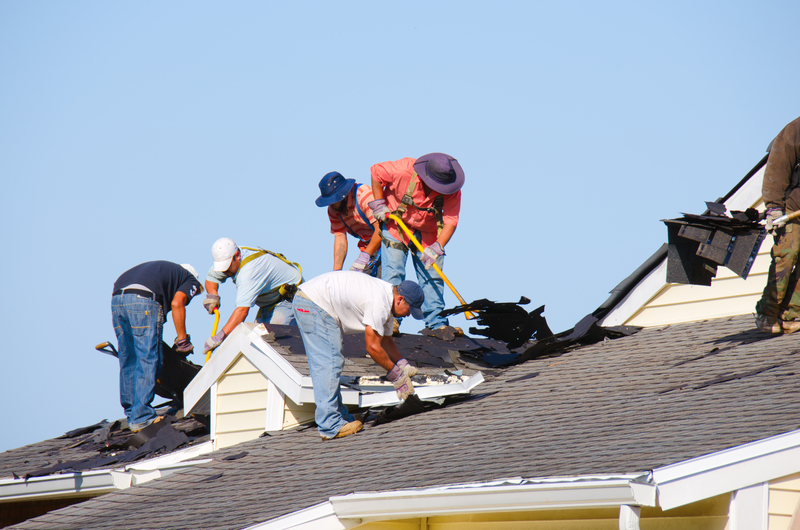
During a roof replacement, flashing should almost always be replaced or upgraded. Reusing old flashing can compromise the new roof and void warranties. Properly installed new flashing ensures the roof system functions as intended and provides long-term protection.
Many reputable contractors include flashing replacement as part of a full roof replacement package.
Maintenance Tips for Roof Flashing
Homeowners should have flashing inspected regularly, especially after severe storms. Keeping gutters clean and removing debris from roof valleys can help flashing perform correctly. Any cracks, corrosion, or loose sections should be repaired promptly to prevent leaks.
Routine inspections can significantly extend the life of both the flashing and the roof.
Conclusion
Roof flashing is a critical component of any roofing system and plays a major role in preventing leaks and water damage. While it may not be visible from the ground, its role in protecting your home is essential. Understanding how flashing works, recognizing warning signs, and ensuring proper installation can help homeowners maintain a durable, leak-free roof for many years.